

What Utah Homebuyer Questions Should You Ask Before Buying?
Quick answer: Before buying in Utah, confirm the property’s full tax picture, any Public Infrastructure District (PID) or special assessment, HOA costs, new-construction inclusions, property condition, and expected monthly ownership costs. Ask for documents early enough to review them before your contract deadlines.
Utah homebuyers often compare more than price and mortgage payment. A home in Salt Lake County, Utah County, the Wasatch Back, or St. George may have different tax districts, HOA rules, utility costs, construction terms, and market conditions. Ashley Paris, Utah Home Lady Realtor (Utah real estate license #10555308), helps buyers across Utah organize those questions and verify property details with the appropriate professionals.
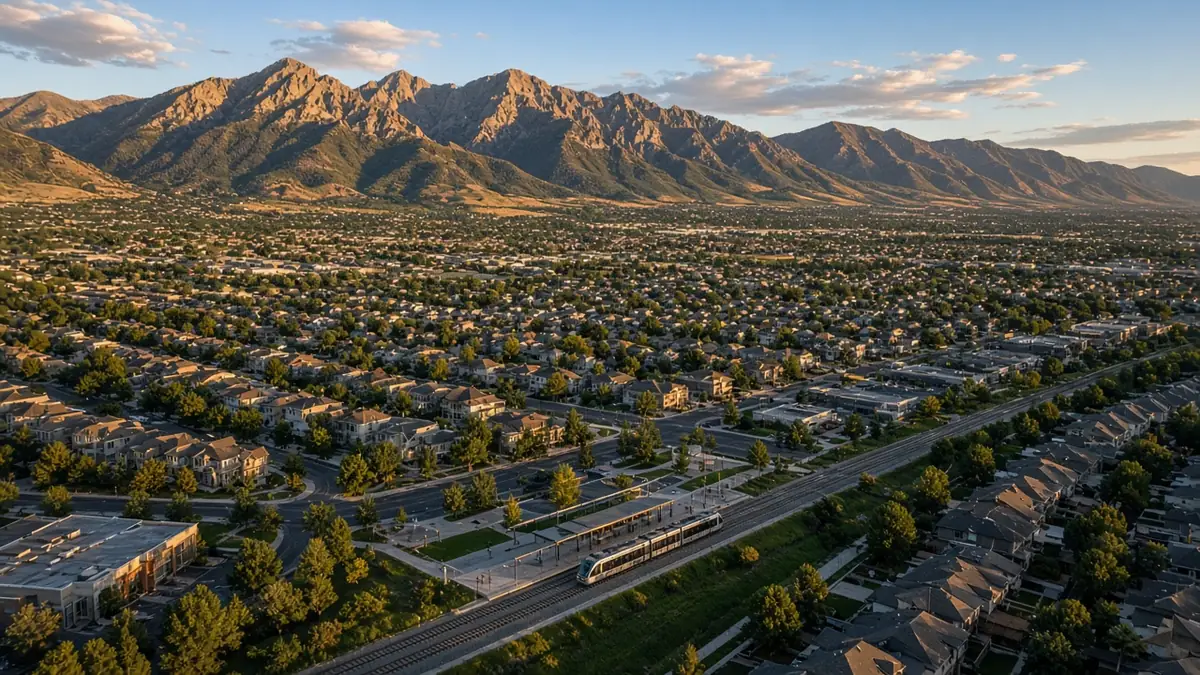
1. Is the home in a Public Infrastructure District or special taxing area?
Ask whether the parcel lies in a Public Infrastructure District (PID), local assessment area, or other special district, and request the current tax notice, recorded disclosures, and any payoff or assessment information. A PID may finance public infrastructure through property-tax levies and can affect the parcel’s annual tax bill. The amount and duration depend on the specific district and property; don’t assume every new development has the same charge.
Utah law requires a disclosure in certain residential property conveyances within a PID. Ask the seller, listing agent, title company, and county treasurer to identify the district and explain what applies to the parcel. Also check whether the property is within a Community Reinvestment Area (CRA), Military Installation Development Authority (MIDA) area, or Inland Port boundary. Those labels can mean different things and do not automatically mean a buyer owes a particular charge. Verify the actual tax bill, recorded documents, and contract terms.
Get answers before the due-diligence deadline. Request the latest property tax notice, title commitment and exceptions, recorded district documents, and written information about any assessment or bond balance. If a charge is unclear, have the title company or a qualified real estate attorney explain the recorded documents.
2. What will property taxes be after the home is fully assessed?
Utah’s primary residential exemption generally exempts 45% of a qualifying home’s fair market value, so property tax is calculated on the remaining 55% of taxable value. A second home or investment property generally does not receive the primary-residence exemption. Confirm eligibility and the parcel’s current classification with the county assessor; don’t rely only on a seller’s tax bill.
For new construction, the first tax bill can reflect a period when only the lot or a partially completed home was assessed. When the completed residence is assessed, the taxable value may be higher. Ask the county assessor or treasurer for an estimate based on the finished home, the relevant tax districts, and the intended use. For an existing home, check the latest valuation notice and tax bill, then ask how a recent sale, addition, remodel, or change in occupancy could affect the estimate.
Use the county’s parcel and tax tools where available, and compare the full tax amount—not just a general county average. Salt Lake County, Utah County, Wasatch County, Washington County, and other counties have different combinations of taxing entities and rates. The Utah State Tax Commission explains the residential exemption and assessment process.
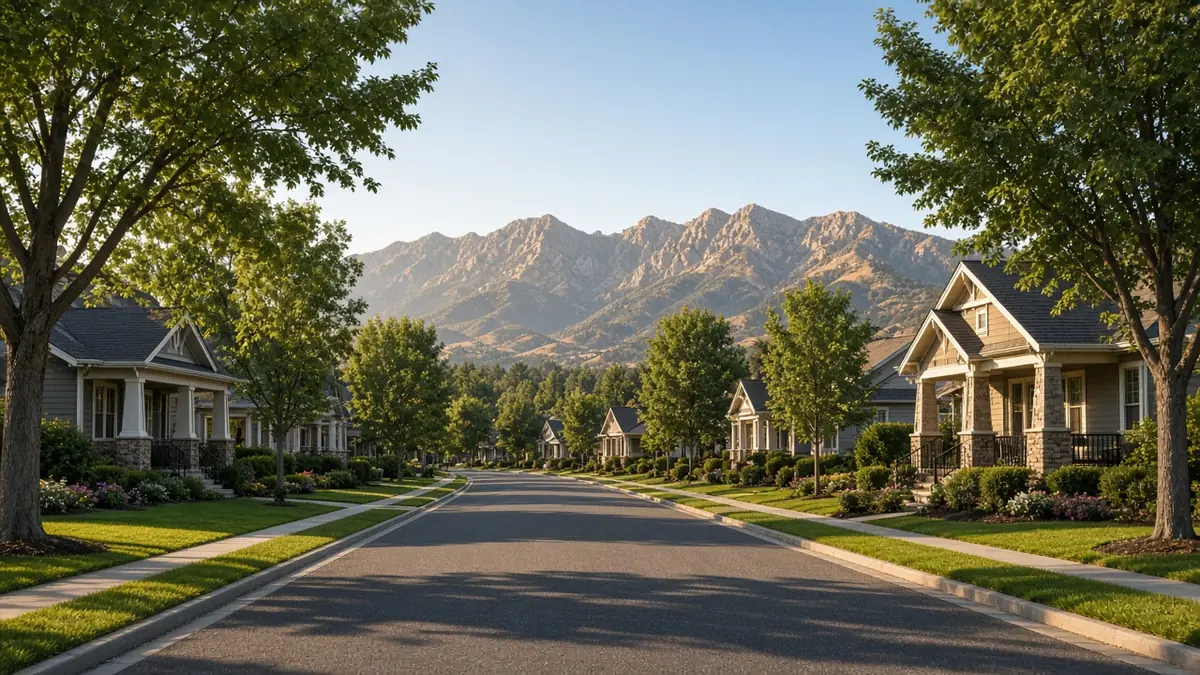
3. For new construction, what is included in the base price?
Ask the builder to separate the advertised base price from lot premiums, structural options, finish upgrades, landscaping, fencing, window coverings, appliances, and utility or connection charges. Model homes often show upgrades that are not included in the base contract. Get the included features and allowances in writing, including brand, model, quantity, and installation responsibility where possible.
Review the purchase contract for deadlines, change-order rules, deposits, completion estimates, warranty terms, inspection access, and remedies for delays. Ask whether city impact fees, water or sewer connection charges, special assessments, or other development costs are already paid, included in the purchase price, or assigned to the buyer under the contract. Responsibility varies by community and contract; request an itemized answer rather than relying on a verbal estimate.
In fast-growing places such as Payson, Lehi, Eagle Mountain, Herriman, Tooele, and parts of Salt Lake County, compare the builder’s estimate with written information from the city or utility provider. Confirm road access, school and transit plans, nearby construction, and the expected timing of promised amenities. A projected feature is not the same as a completed one.
4. What do HOA fees cover, and could they rise?
Request the HOA’s current budget, financial statements, meeting minutes, fee schedule, rules, insurance details, reserve information if available, and notice of pending or recent special assessments. Confirm the regular dues, payment schedule, transfer or setup fees, rental limits, parking rules, maintenance obligations, and any design-review process. Ask who maintains private roads, snow removal, landscaping, pools, trails, or shared buildings.
Utah’s Department of Commerce publishes an HOA Homebuyer Checklist and explains which documents sellers must provide by law or contract. Read the governing documents and compare them with the property you plan to use. A low monthly fee does not tell you whether the association has adequate reserves or upcoming repairs.
5. Should I buy now or wait for rates to fall?
No one can know in advance whether mortgage rates or Utah home prices will be lower later. Mortgage rates move with several economic and bond-market factors; Federal Reserve decisions do not translate into an immediate one-for-one change in a borrower’s rate. Waiting may improve one part of the budget and worsen another if prices, inventory, competition, or your personal circumstances change.
Compare homes you would realistically buy using today’s verified price, taxes, insurance, HOA dues, and a lender’s current loan estimate. Then ask your lender to show how different rate and down-payment scenarios change the payment and cash needed. Consider your time horizon, job and income stability, savings after closing, and how long you expect to keep the home. A home should fit your budget without depending on a future refinance.
For market timing, compare recent closed sales and active listings in the same neighborhood and price range—not statewide headlines alone. Salt Lake City, Draper, Park City, Provo, Ogden, and St. George can move differently, and conditions can vary between nearby communities.
6. What should I learn about the home’s condition and history?
Read the seller’s property-condition disclosure and ask about roof age, heating and cooling, plumbing, electrical work, drainage, past water intrusion, permits, insurance claims, and known repairs. Hire an independent home inspector and attend the inspection if possible. For older homes or specific concerns, ask about additional inspections for sewer lines, radon, pests, structural issues, wildfire exposure, or other property-specific risks.
Check title exceptions, easements, boundary or access questions, water rights or shares when relevant, zoning, and any open permits with the appropriate county or city. Review the home’s location for flood, wildfire, snow-removal, commute, and utility considerations. Ask your insurance agent for a property-specific quote before you commit beyond your cancellation deadlines.
7. How do I estimate the total monthly cost of owning the home?
Build a monthly estimate that includes principal and interest, property taxes, homeowners insurance, HOA dues, mortgage insurance if applicable, utilities, and a maintenance reserve. For a new home, budget for landscaping, window coverings, appliances, and possible tax changes after completion. For an older home, use inspection findings to plan for near-term repairs and replacement of major systems.
Hypothetical example: Suppose a buyer compares two homes with similar prices. Home A has lower HOA dues but a PID levy and higher estimated insurance; Home B has higher HOA dues that include services the buyer would otherwise pay for. The buyer should compare each home’s documented annual tax, insurance quote, HOA costs, utilities, maintenance plan, and loan estimate. The lower list price alone does not establish which home costs less to own.
Documents to review before your deadline
- Current property tax bill, valuation notice, and county estimate for the completed property
- Title commitment, recorded disclosures, easements, and PID or special-assessment documents
- Seller property-condition disclosure, inspection report, and repair records
- HOA governing documents, budget, financial statements, minutes, fee schedule, and assessment notices
- For new construction: signed contract, included-features list, options, change orders, warranty, and fee breakdown
- Insurance quote, utility estimates, and a complete loan estimate for the home and loan you are considering
Frequently asked Utah homebuyer questions
How can I tell whether a Utah home has a PID tax?
Ask the seller and title company to identify any PID and review the recorded disclosure, current tax notice, and district information. Confirm the parcel with the county treasurer or assessor because charges differ by property and district.
Does Utah tax my primary home on the full market value?
Most qualifying primary residences receive a 45% exemption, so tax is generally calculated on 55% of fair market value. Confirm the property’s eligibility and classification with the county assessor.
Why might property taxes rise after I buy a new Utah home?
The earlier bill may reflect the lot or a home that was not yet fully assessed. After completion, the county may assess the home and land together, which can increase taxable value; request a parcel-specific estimate.
What should I check before signing a new-construction contract in Utah?
Get the included features, upgrades, lot premium, deadlines, completion estimates, warranty, inspection access, and responsibility for fees or assessments in writing. Review the contract with your real estate professional and ask the builder to itemize costs.
Should I wait for mortgage rates to drop before buying in Utah?
There is no reliable way to know whether future rates or home prices will be lower. Compare a home’s complete cost today with your budget and personal timeline, and ask a lender to model payment scenarios before deciding.
Talk with Utah Home Lady
Ashley Paris is a Utah Realtor with Utah Home Lady, serving buyers and sellers across Utah. Utah real estate license #10555308. Call 801-759-0911 or visit Ask an Agent to discuss a home search, due-diligence questions, or local property details. You can also search Utah homes for sale.
Last updated: November 7, 2026. This educational article is general information, not legal, tax, lending, engineering, or inspection advice. Verify parcel-specific charges and contract obligations with the appropriate county office and qualified professionals.


